Top Tips for Successful Nipple Shield Use
A proper latch with a nipple shield should resemble a typical latch, where the baby's mouth is wide open and a significant portion of the mother's areola is inside the baby's mouth.


What Is a Nipple Shield?
A nipple shield is a device used during breastfeeding, which covers the nipple and areola. These shields have evolved over time, with modern versions being made from soft, thin and flexible silicone, as opposed to the thick latex ones of the past.
These old shields caused more difficulties with breastfeeding than they solved. It is interesting to note that in the 17th century, nipple shields were made from pewter!
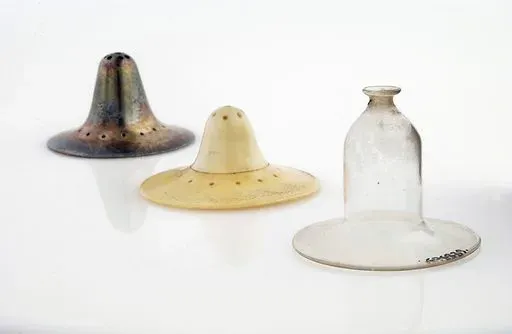
Nipple shields are also sometimes referred to as breast shields or breastfeeding shields.
Breast shells and breast shields are sometimes mistaken for one another, however, they serve different purposes. Breast shells are utilized prior to breastfeeding to help prepare the nipples, while shields are utilized during breastfeeding.
Prior to using artificial nipples and shields, mothers are encouraged to focus on achieving a good latch. It is recommended that mothers wait for their milk to "come in," as this is when most babies will start to breastfeed successfully.
A mother may opt to express her milk and feed her baby using a cup or syringe until all issues with breastfeeding have been resolved.
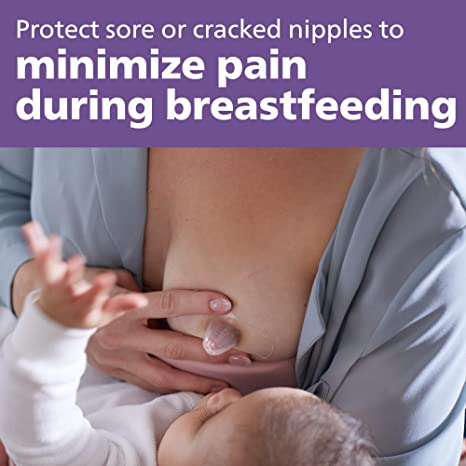
Reasons for Using Nipple Shields
- Nipple Correction for Inverted Nipples: A nipple shield can help draw out the nipple and create suction while the baby is breastfeeding, which will provide stimulation inside the baby's mouth, encouraging them to continue breastfeeding. Over time, the mother's nipples will become more flexible, and the shield might no longer be necessary.
- Correction for Other Nipple Variations: There are several nipple variations that may cause difficulties while breastfeeding.
- Facilitating Latching for Premature Infants: Some premature babies may have trouble latching on to the breast, but using a nipple shield can make this easier and has been shown to improve weight gain in premature infants.
- Facilitating the Transition from Bottle to Breast: If a baby has a preference for a bottle, a nipple shield can sometimes help make the transition to breastfeeding smoother.
- Relieving Painful Nipples: Mothers who experience nipple pain can use a nipple shield until their nipples have healed.
- Managing Eczema: If a mother has eczema on her nipples and areola, a nipple shield can be used.
- Large Nipples: If a mother has larger nipples, a nipple shield can provide a smaller surface for the baby to latch onto, reducing nipple pain.
A Good Latch With a Nursing Shield
A proper latch with a nipple shield should resemble a typical latch, where the baby's mouth is wide open and a significant portion of the mother's areola is inside the baby's mouth. If the baby only sucks on the nipple, the flow of milk will decrease and over time this can cause a decrease in milk production.
Cleaning Nipple Shields
- Wash in hot soapy water and rinse after every use.
- Some mothers like to boil it at least once daily.
Maintaining Milk Supply when Using a Nipple Shield
- It is important to pump after every breastfeeding session to ensure that your breasts are emptied enough, as this will help support milk production.
- Using an electric double-action pump is the most effective option.
- Pumping after feedings also helps prevent plugged ducts.
- Keep track of your baby's diaper count to make sure they are getting enough milk and monitor their weight gain.

How to Use a Nipple Shield
- To promote a steady flow of milk while breastfeeding, express a small amount of milk before placing the shield on your nipple.
- Soften the shield by rinsing it with warm water to make it easier to use.
- Place the shield on your nipple with the edges lifted and moisten the edges with breast milk before smoothing them down.
- You can also apply some breast milk to the outside of the shield to encourage the baby to latch.
- Make sure the baby is both sucking and swallowing during the feeding.
- Do not use any nipple shields that are cracked or broken as they can hurt your baby's mouth.
Indicators of Proper Use of the Nipple Shield
- The baby's nose and chin should be in contact with the mother's breast.
- The baby's top and bottom lips should be flared out.
- The mother should not experience any pain.
- The baby's swallowing should be visible and audible.

Gradually Weaning Your Baby from the Nipple Shield
- The objective should be for the baby to breastfeed without the use of a shield. Regularly assess if the baby is capable of doing so, as proper breast stimulation is necessary to maintain adequate milk production.
- Express a small amount of milk before attempting to breastfeed without the shield, as this can help elongate the nipple and make latching easier.
- A Lansinoh LatchAssist can be a useful tool for nipple elongation prior to nursing.
- Breastfeed the baby before they become overly hungry and fussy. Apply expressed breast milk to your nipple to entice the baby to nurse directly from the breast.
- During a feeding with the shield, after the milk has let down, try removing the shield and see if the baby will continue to nurse. Note: Do not create a hole in the shield, as this can harm the baby's mouth.
In conclusion, it is important that you select the right size nipple shield as a poorly fitted shield can cause discomfort and reduced milk flow. It's important to monitor your baby's weight regularly, to ensure that they are getting enough milk and growing well. If the shield is causing discomfort or pain, it's important to stop using it and seek advice from a lactation consultant. Joining a local breastfeeding support group or seeking advice from a lactation consultant can provide valuable support and guidance on successful nipple shield use. Alternatively, opt for a Milkology breastfeeding course and equip yourself with the comprehensive knowledge necessary for a successful breastfeeding experience.

The Tushbaby Hip Carrier
With its ergonomic design and comfortable waistband, Tushbaby provides optimal support for you and your baby. Say goodbye to shoulder and back pain from traditional carriers, as Tushbaby evenly distributes your baby's weight, relieving strain and promoting better posture.